
Is inflammation a help or a hinderance?
We’re taught to fear inflammation — and to some extent that’s understandable. After all, chronic inflammation is linked to pain, increased sensitivity, and long?term health risks. But inflammation itself isn’t the enemy: it’s the body’s repair mechanism. The problem arises when that repair system stays switched on for too long. The aim isn’t to eliminate inflammation entirely, but to moderate it so the body can heal without becoming overreactive.
Why too much inflammation matters Acute inflammation is protective: it brings immune cells and nutrients to an injured area, clears debris, and starts tissue repair. Chronic or excessive inflammation, however, keeps tissues in a heightened state of sensitivity. That can mean more pain than necessary, slower healing, and a greater likelihood of allergic reactions such as hay fever becoming worse. In this state the immune system can over?respond to everyday triggers, leading to ongoing discomfort and other health effects.
Medications: short?term control Non?steroidal anti?inflammatories (NSAIDs) — such as ibuprofen, Nurofen and naproxen in the UK — reduce the inflammatory response and can be very useful for short?term pain and swelling. Think of them like ABS on a car: they help prevent a dangerous overreaction. Steroidal anti?inflammatories (for example prednisolone) are stronger and used in more serious or systemic cases, but they carry more side effects and require medical supervision. Medications are important tools, but they aren’t the only approach.
Natural and lifestyle strategies to moderate inflammation Small, consistent changes to diet, environment and daily habits can lower baseline inflammation and reduce how reactive your body is.
Diet and supplements
- Cut back on ultra?processed foods, refined sugars and trans fats — these tend to drive inflammation.
- Emphasise whole, anti?inflammatory foods: oily fish (salmon, mackerel), leafy greens, colourful fruits and berries, nuts, seeds, legumes and whole grains.
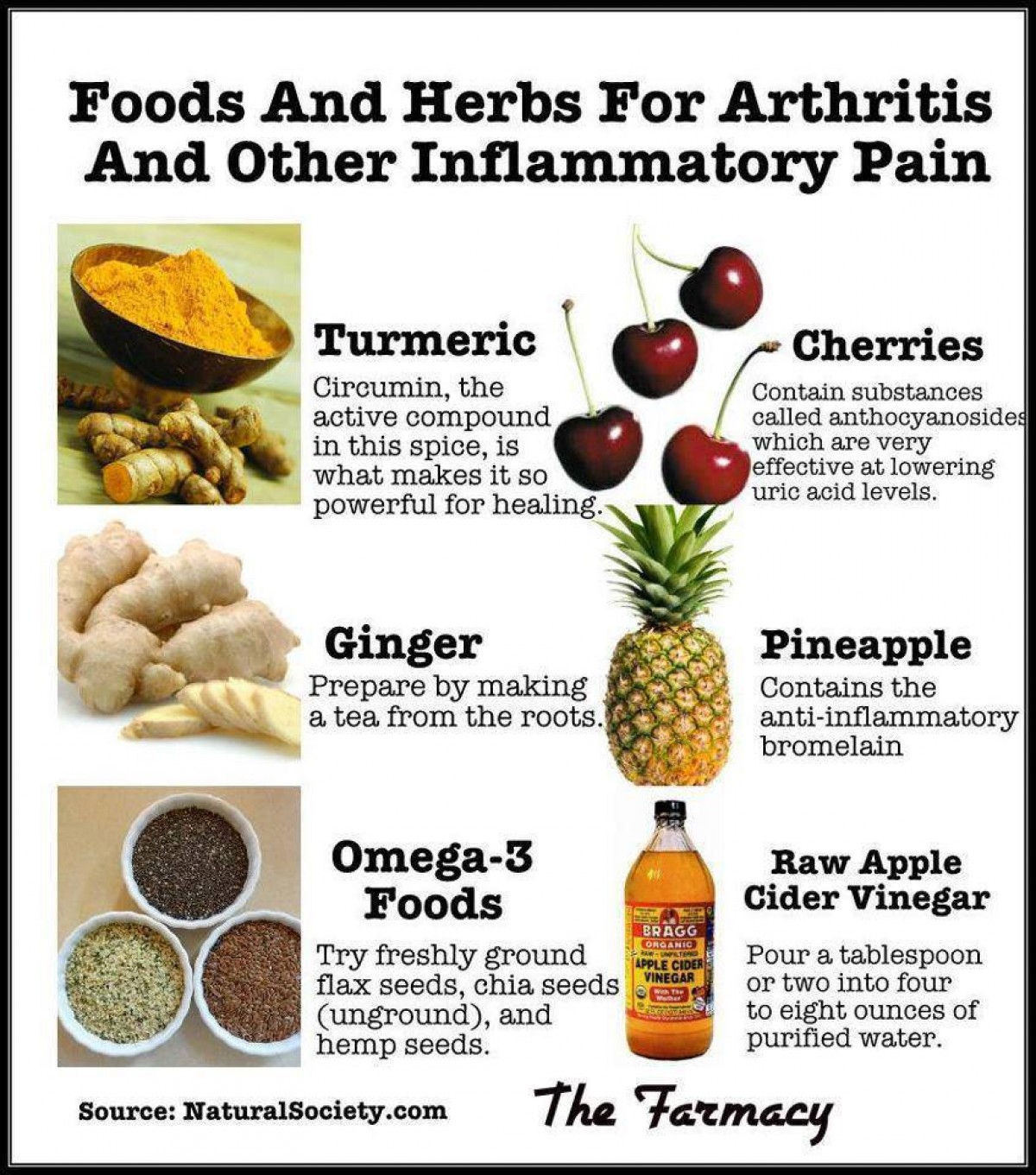
- Beneficial spices and botanicals: turmeric (curcumin) and ginger have evidence for mild anti?inflammatory effects — use them in cooking or as supplements after checking interactions with any drugs you take.
- Support gut health: fermented foods (yoghurt, kefir, sauerkraut) and fibre-rich foods feed a healthy microbiome, which helps regulate immune responses.
- Maintain a healthy weight: excess adipose tissue produces pro?inflammatory molecules.
Home and environmental changes
- Reduce chemical irritants: choose fragrance?free or low?chemical toiletries and cleaning products; avoid strong air fresheners and aerosol sprays.
- Improve indoor air: ventilate rooms, consider HEPA filtration if needed, avoid indoor smoking and limit use of products that release volatile compounds.
- Improve water quality where possible: simple filters can reduce chlorine and other irritants that bother some people.
Lifestyle habits
- Manage stress: chronic stress amplifies inflammation. Regular short practices — breathing exercises, mindfulness, or simple daily breaks — reduce stress hormones and inflammatory signalling.
- Prioritise sleep: aim for consistent, restorative sleep; poor sleep raises inflammatory markers.
- Move regularly: moderate aerobic exercise and strength work lower baseline inflammation and reduce pain sensitivity.
Practical tips to get started
- Swap one processed snack per day for a handful of nuts and a fruit.
- Add oily fish twice weekly or an omega?3 supplement if your diet lacks fish (check with a clinician).
- Use turmeric and black pepper in cooking; try fresh ginger in teas or stir?fries.
- Replace strong fragranced detergents or air fresheners with unscented or naturally scented alternatives, and ventilate when cleaning.
- Build a 10?minute daily stress practice: breathing, a short walk, or a brief guided meditation.
When to see a clinician If you have persistent or worsening pain, severe allergic reactions, breathing difficulties, signs of systemic inflammation (fever, unexplained weight loss, widespread joint pain) or you’re considering changing prescribed medications, consult your GP or specialist. Don’t stop prescribed treatments without medical advice.
Bottom line Inflammation is a vital repair process — but left unregulated, it becomes harmful. Combining sensible short?term use of medication with long?term lifestyle, dietary and environmental changes can lower baseline inflammation, reduce pain and make your immune system less reactive. Small, consistent steps add up.