
Standing desks
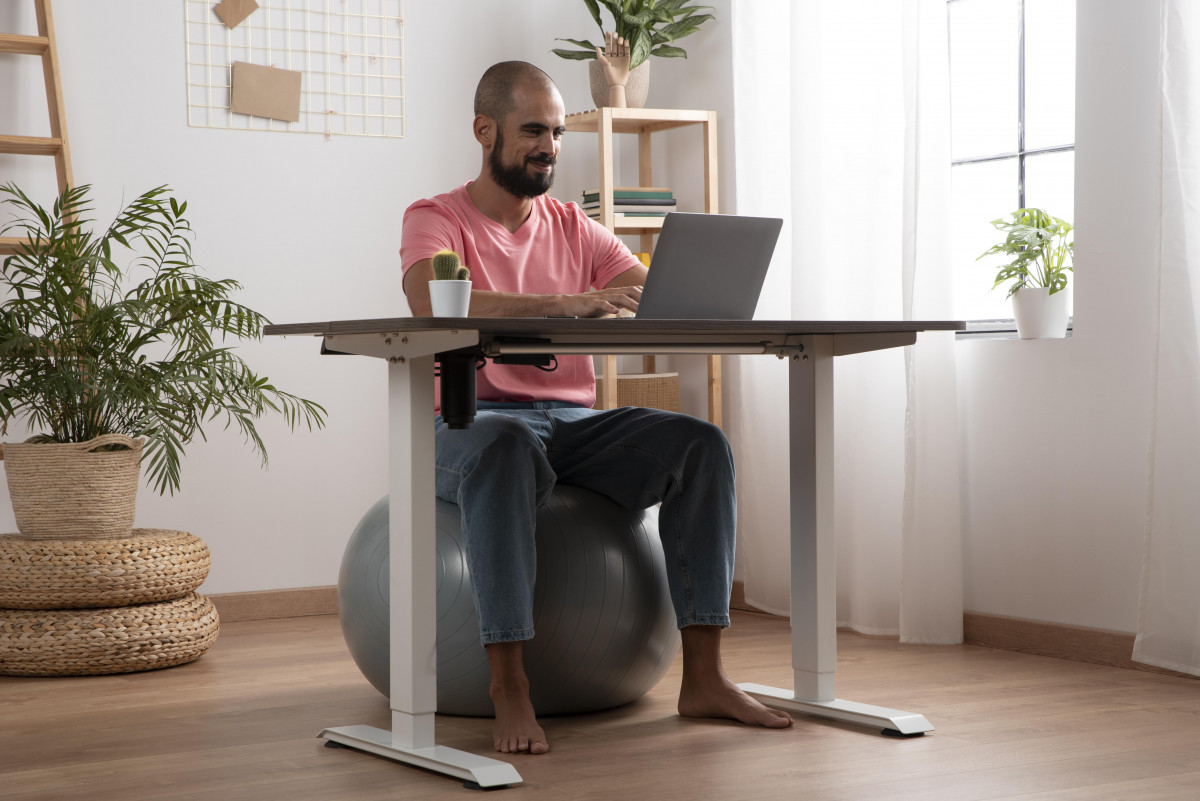
How to Use Your Standing Desk Effectively
Standing desks have been around for quite some time, but only recently have they become more affordable and accessible to most people. As research continues to show that sitting for long periods can negatively impact our health, many are turning to standing desks as a better alternative. But standing for too long comes with its own challenges. The real key is movement.
Why Switching Positions Matters
While standing is generally healthier than prolonged sitting, neither position is ideal if held for too long. The latest guidance suggests not sitting for more than about 20 minutes at a time. After that, get up, move, or simply shift your position. The goal isn’t to choose between sitting or standing—it's to keep changing between them.
The most effective routine includes rotating between:
- Sitting low
- Sitting high
- Standing
But no matter which position you choose, posture is everything. Make sure to check in with your body: Are you balanced? Are you relaxed? Are you aligned? Your standing desk can only work well for you if your body is in an efficient, supported position.
Don’t Forget the Chair
If you’re alternating between sitting and standing, your chair also becomes part of your ergonomic setup. It should be:
- Easily adjustable
- Supportive
- Easy to move in and out of your workspace
In some cases, having a removable chair or stool can help you transition more naturally between positions.
What About Walking Pads?
A newer trend is using a walking pad while working at a desk. This can be great for keeping your body moving, but it also comes with potential downsides—most commonly a tendency to lean forward toward the screen. If you choose to use one, try to be mindful of your posture, and don’t rely on it as your only movement break.
Even with a walking pad, it’s still ideal to step away from your desk for a rhythmic, upright walk of at least 10 minutes a few times a day. This helps reset your posture, circulation, and focus.